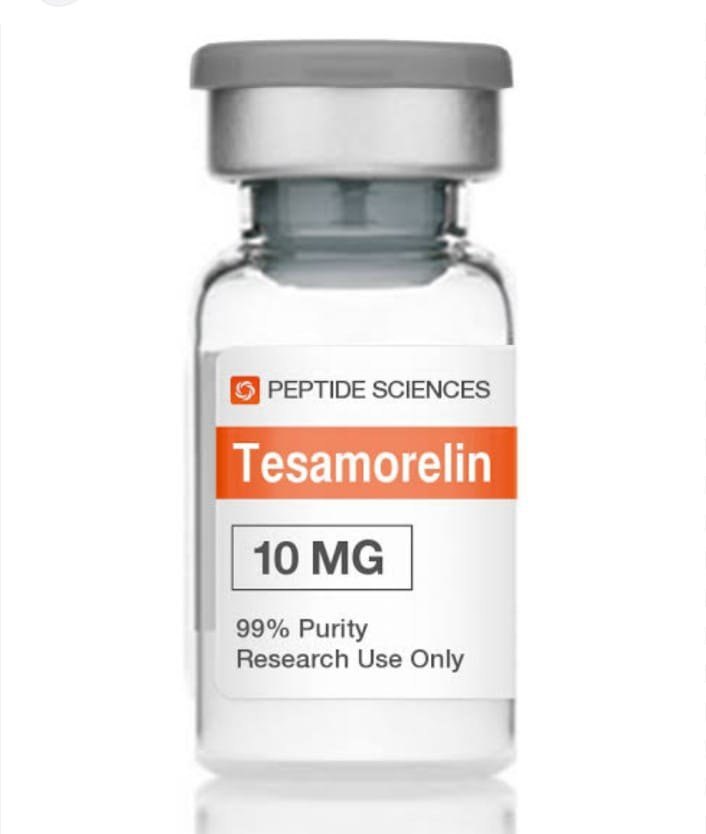
Tesamorelin – GHRH
Price range: $70.00 through $190.00
Oder Tesamorelin (2mg) – High-Affinity GHRH Analogue
Elevate your metabolic research with Tesamorelin, the most potent growth hormone-releasing hormone (GHRH) analogue available for laboratory study. Chemically stabilized for enhanced durability, Tesamorelin is specifically designed for researchers investigating visceral fat metabolism, pituitary signaling, and the modulation of endogenous growth hormone pulses.
- Targeted Fat Metabolism: The primary tool for studies involving visceral adipose tissue (VAT) reduction.
- Extended Half-Life: Modified structure provides superior stability compared to natural GHRH.
- Potent Secretagogue: Stimulates the pituitary to release growth hormone with high precision.
- Scientific Grade: Guaranteed 98% or higher purity (HPLC/MS verified).
Tesamorelin: Advanced GHRH Analogue for Metabolic and Endocrine Research
When you select Tesamorelin for your scientific studies, you are utilizing a stabilized analogue of Growth Hormone-Releasing Hormone (GHRH). Tesamorelin is a synthetic peptide consisting of 44 amino acids with an added trans-3-hexenoic acid group, which significantly increases its stability and potency compared to the body’s natural GHRH. It is widely recognized in the research community for its high affinity for GHRH receptors in the pituitary gland.
What is Tesamorelin?
Tesamorelin is a growth hormone-releasing hormone (GHRH) analogue that stimulates the synthesis and pulsatile release of endogenous growth hormone (GH). Its structure allows it to resist enzymatic degradation, giving it a longer half-life than natural GHRH.
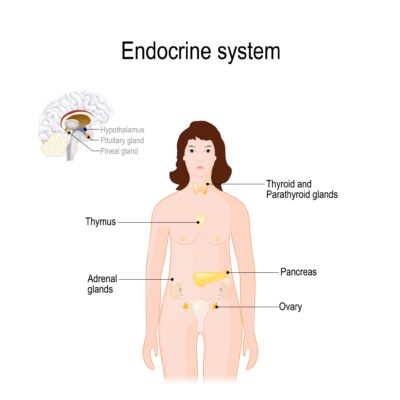
Unlike other secretagogues, Tesamorelin acts directly on the somatotroph cells of the anterior pituitary. This specific mechanism of action makes it a primary subject for researchers studying lipid metabolism, visceral adipose tissue (VAT) reduction, and the modulation of the Hypothalamic-Pituitary-Somatotropic axis.
Key Research Benefits and Mechanism of Action
- Lipolysis and Fat Oxidation: Tesamorelin is specifically noted for its potential in research regarding the reduction of visceral fat (abdominal fat) without affecting subcutaneous fat layers.
- Cognitive Research: Emerging studies explore the role of Tesamorelin in neuroprotection and its potential impact on cognitive function in age-related decline models.
- IGF-1 Modulation: By stimulating GH release, Tesamorelin subsequently increases levels of Insulin-like Growth Factor 1 (IGF-1), a key mediator in tissue repair and protein synthesis.
- Metabolic Health: Researchers utilize this peptide to study improvements in lipid profiles and glucose metabolism in specialized research models.
Technical Specifications
- CAS Number: 218949-48-5
- Molecular Formula: C221H366N72O67S (approximate)
- Molecular Weight: 5135.9 g/mol
- Purity: 98% or higher (HPLC and MS verified)
- Appearance: Fine white lyophilized powder
- Solubility: Soluble in Water or Sterile Saline
Handling and Storage Guidelines
- Long-term Storage: Store the lyophilized powder at -20 degrees Celsius. For storage lasting over one year, -80 degrees Celsius is optimal.
- Reconstitution: Use sterile water for injection or bacteriostatic water. Introduce the diluent gently down the side of the vial.
- Usage: Once reconstituted, keep refrigerated at 2 to 8 degrees Celsius and use within 7 to 14 days.
Research Disclaimer: This product is intended strictly for laboratory research and in vitro use.
| Quantity | 2mg*10vials, 5mg*10vials, 10mg*10vials |
|---|
Be the first to review “Tesamorelin – GHRH”
Related products
Product
Product
Product
Product
Product
Product
Reviews
There are no reviews yet.